November 21, 2026
Soil erosion and water damage can gradually transform a beautiful landscape into a difficult and expensive property to maintain. Heavy rainfall, shifting soil, and poor drainage can affect everything from garden beds to foundations, leaving homeowners with problems that become more complicated over time. Fortunately, thoughtful landscape design can help protect vulnerable areas while making outdoor spaces more functional and attractive. Retaining walls provide an effective way to manage elevation changes, support soil, and control water movement when they are properly designed and installed. Understanding how these structures work can help property owners make informed decisions about protecting their land.
Stabilizing Slopes and Preventing Soil Shifting
One of the biggest challenges on sloped properties is keeping soil where it belongs. Rainwater naturally travels downhill, carrying loose dirt, mulch, and valuable topsoil along with it. Retaining walls create a supportive barrier that limits this movement and helps maintain the shape of the landscape. By separating different elevations, these structures reduce the likelihood of soil sliding into lower areas, particularly when combined with appropriate grading and vegetation. This added stability makes outdoor spaces easier to maintain while protecting nearby landscaping, walkways, and structures from the effects of gradual soil displacement.
Controlling Runoff and Redirecting Water
Water management is another important consideration when protecting residential and commercial landscapes. Without a clear drainage path, rainfall can collect in low spots, overwhelm garden beds, or flow toward buildings where moisture becomes a serious concern. Retaining walls can help redirect runoff toward designated drainage areas instead of allowing water to move unpredictably across a property. Their effectiveness depends on thoughtful placement, proper grading, and drainage features that accommodate expected water volumes. When these elements work together, property owners can reduce erosion, protect vulnerable areas, and maintain a more predictable landscape during periods of heavy rainfall.
Redirecting water requires careful planning because runoff must have a suitable destination. Sending excess moisture toward neighboring properties, public walkways, or buildings can create additional problems. A well-designed drainage layout considers the surrounding terrain and uses appropriate outlets to guide water responsibly. This helps prevent pooling, washouts, and other avoidable landscape concerns.
Improving Drainage and Reducing Pressure
A retaining structure must do more than hold soil in place because water trapped behind it can create significant pressure. As moisture accumulates, the surrounding ground becomes heavier, potentially increasing the forces acting against the wall. Proper drainage systems help prevent this problem by allowing water to escape through gravel backfill, perforated drainage pipes, and appropriately positioned outlets. These features reduce hydrostatic pressure and help protect the structure from cracking, leaning, or other damage. Effective drainage also contributes to healthier surrounding soil by preventing prolonged saturation that can weaken roots and interfere with plant growth.
The drainage details should match the site's conditions, including soil composition, rainfall patterns, and wall dimensions. Clay-heavy ground may drain more slowly than sandy soil, making water management particularly important. Drainage openings can become ineffective if they are blocked or incorrectly installed. Construction should therefore include a clear plan for collecting and releasing water rather than focusing only on the visible wall.
Protecting Foundations and Preserving Landscaping
Excess moisture around buildings can contribute to foundation problems, basement leaks, and deterioration of exterior surfaces. When rainfall repeatedly washes soil toward a structure, it can expose foundation areas or create uneven ground that complicates maintenance. Retaining walls can help establish more stable ground conditions while supporting landscape features that keep soil and water away from vulnerable areas. Their placement should complement existing drainage systems rather than interfere with natural water movement or direct runoff toward neighboring properties. With appropriate planning, these structures can protect landscaping investments while helping homeowners maintain safer, more usable outdoor environments.
A wall near a building should never be treated as a substitute for foundation waterproofing or a functioning drainage system. Instead, it can complement positive grading, downspout extensions, and appropriate surface drainage. Keeping water away from foundations helps reduce recurring moisture concerns and limits uneven soil settlement. Plants suited to the site can improve appearance without introducing roots that interfere with utilities or structural elements.
Understanding Costs and Planning Investments
The cost of installing a retaining structure depends on its dimensions, materials, site conditions, drainage requirements, and construction complexity. According to Forbes, a wall measuring approximately four feet high and 25 feet long may cost between $1,000 and $10,000, with an estimated average of $5,500. This substantial range illustrates why property owners should evaluate individual project requirements rather than relying on a single price estimate. Difficult access, unstable soil, extensive excavation, and engineering requirements can increase expenses considerably. Although retaining walls require an initial investment, preventing erosion and water-related damage may reduce future repair costs and help preserve the property's usability.
A useful project budget should include more than visible materials and labor. Excavation, site preparation, drainage components, permits, engineering, and finishing work may all influence the final price. Comparing estimates is easier when contractors explain what each proposal includes. Looking at the full scope helps prevent unexpected expenses and supports a decision based on long-term value rather than the lowest initial quote.
Maintaining Stability and Extending Durability
Even a properly constructed landscape structure benefits from regular attention. Property owners should periodically inspect for visible cracks, leaning sections, bulging areas, or changes in the surrounding ground. Drainage outlets also deserve attention because leaves, sediment, and other debris can restrict water movement and increase pressure behind the wall. Clearing obstructions and addressing minor concerns promptly can help prevent more extensive deterioration. Retaining walls generally perform more effectively when their condition is monitored throughout the year, particularly after significant storms or prolonged periods of rainfall.
Maintenance can also include checking nearby soil for unusual settling, erosion channels, or persistent wet spots. These changes may indicate that water is not moving as intended or that the ground is shifting. Avoid placing heavy equipment or additional fill near the top without confirming that the structure can safely accommodate it. If a wall begins leaning, separating, or developing substantial cracks, a qualified professional should assess it rather than relying on cosmetic repairs.
Creating Safer and More Usable Landscapes
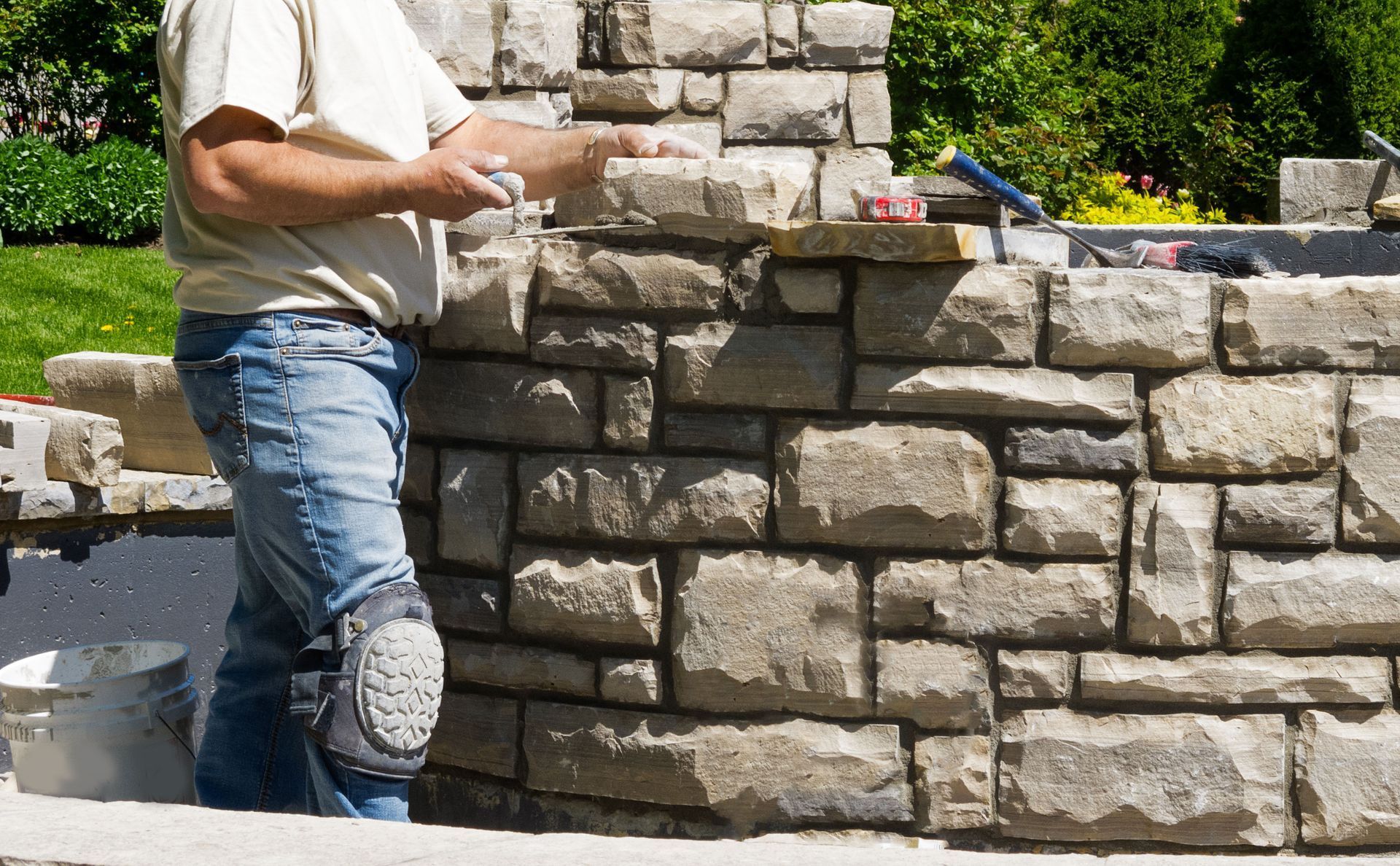
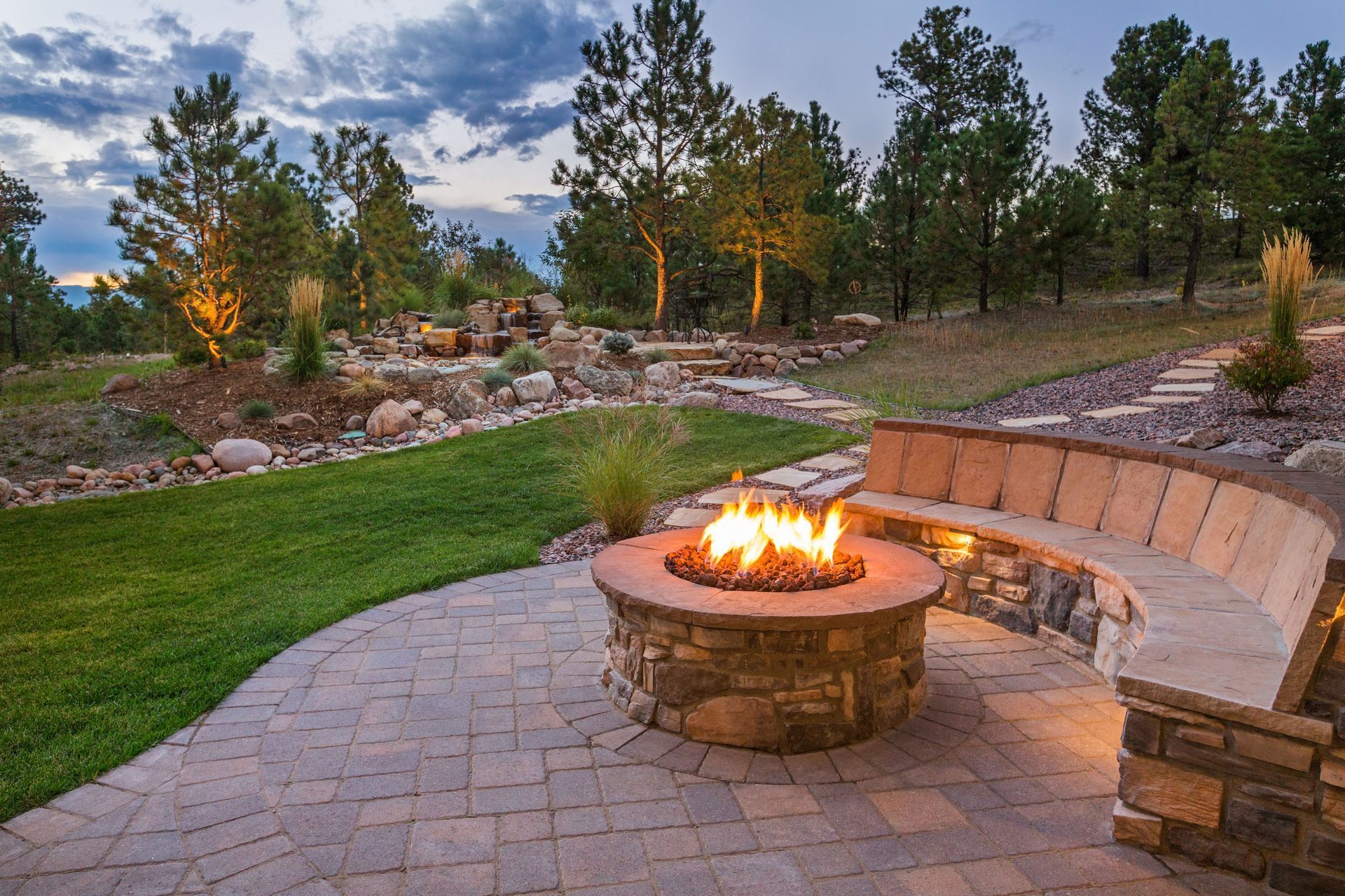
Beyond erosion control and water management, retaining structures can make outdoor spaces considerably more practical. Sloped yards often limit opportunities for gardening, seating areas, walkways, and recreational activities because uneven ground is difficult to navigate. By creating terraces or level sections, homeowners can transform challenging terrain into functional spaces that better accommodate their needs. Stone, concrete, and other materials can also complement architectural features, making landscape improvements visually cohesive. When carefully planned, these installations balance structural performance with appearance, allowing property owners to enjoy outdoor areas that feel both attractive and purposeful.
The best landscape designs consider how people will use the property throughout the year. A level planting area may make gardening easier, while a supported pathway can improve access between different parts of the yard. Choosing materials and finishes that complement the home helps the structure feel intentional rather than added as an afterthought. Plants, lighting, and seating can soften the appearance of a wall while contributing to a welcoming outdoor environment.
Protecting a property from soil erosion and water damage requires more than reacting to visible problems after they occur. Managing slopes, directing runoff, maintaining drainage, and protecting vulnerable areas all contribute to a landscape that remains stable and functional over time. Retaining walls can support these objectives by combining structural reinforcement with practical water management and improved outdoor usability. Their long-term effectiveness depends on suitable materials, proper engineering, thoughtful installation, and consistent maintenance. For professional guidance on creating durable, attractive landscapes that help protect your property, contact Riverside Stoneworks.